Step 1Get a Level 3 personal trainer qualification
To work as a personal trainer in the UK, you'll need a Level 3 personal trainer qualification from a recognised awarding organisation. It's what gyms ask for when they hire, and what insurers expect before they'll cover you.
Look for a course that's accredited by an Ofqual-regulated awarding organisation, such as Active IQ, and recognised by CIMSPA, the professional development body for the UK's sport and physical activity sector.
Many Level 3 courses either include the Level 2 Gym Instructor qualification or ask you to complete it first, so always check exactly what's included before you book.
Step 2Choose how you want to learn
PT courses broadly come in three formats:
- Online-only. Flexible and often cheaper, but you'll have little or no time coaching real people before you qualify.
- Full-time, in person. Lots of contact time, but hard to fit around a job or family.
- Blended. Theory online at your own pace, plus in-person practical days. You get the flexibility and the hands-on coaching.
FEC's course is blended: online learning plus four practical days at Fuse Rawtenstall and Fuse Ramsbottom.
January 2027 intake
Pricing, dates and practical day schedule
Register your interest and we'll send you everything, or ask for a callback if you'd rather talk it through.
Step 3Get hands-on experience
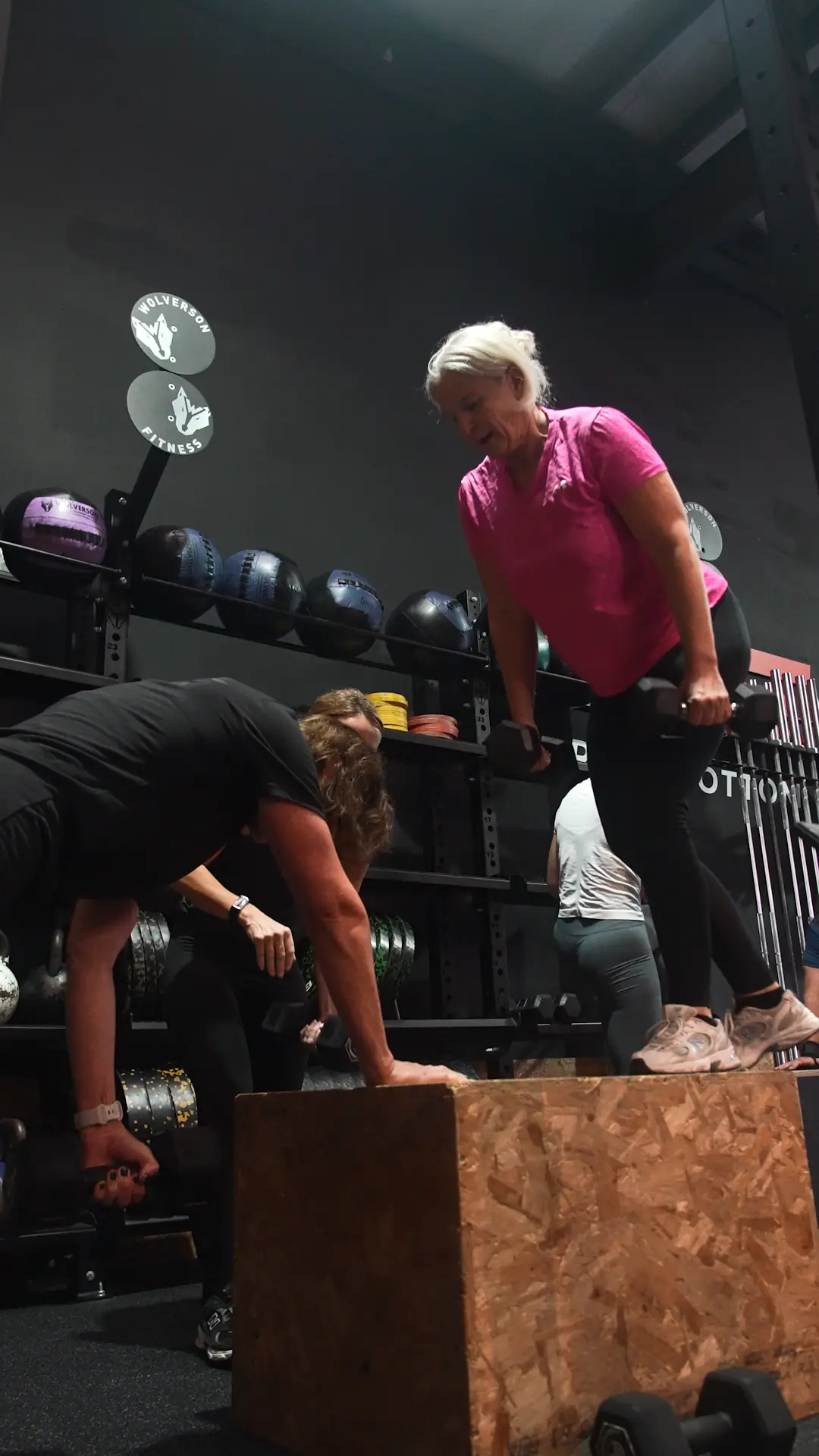
The theory will get you through the exams. Coaching real people is what makes you employable. The more practice you get demonstrating exercises, correcting technique, running consultations and delivering full sessions, the more confident you'll be with your first paying clients.
That's why practical days matter. On top of them, coach friends and family, shadow experienced coaches and offer taster sessions while you're training.
Why we built FEC this way: online-only courses can leave new PTs qualified on paper but nervous on the gym floor. Four practical days fix that before you start. See what happens on practical days.
Step 4Sort your first aid and insurance
Before you train clients, most gyms and insurers will expect you to hold:
- A valid first aid certificate, often including CPR and defibrillator training.
- Professional indemnity and public liability insurance, especially if you're self-employed.
Check what your gym or insurer requires, as it varies.
Step 5Decide where you want to work
There's more than one way to work as a PT:
- Employed by a gym, often a steady route in while you build experience.
- Self-employed in a gym, where you pay rent or a fee and keep your client income.
- Freelance or mobile, training clients at home, outdoors or in studio space.
- Online coaching, often alongside in-person work once you've built a reputation.
Lancashire and Greater Manchester have plenty of independent gyms, big-box gyms and studios, so it's worth visiting a few and asking how they work with PTs.
Step 6Build your client base
Your first clients usually come from people who already know you. After that, consistency builds momentum: deliver great sessions, ask for reviews and referrals, show up locally, and share useful, honest content online.
Coaching skills matter here more than anything. Clients stay with PTs who make them feel looked after and who get them results.
Step 7Keep learning
Qualifying is the start. Many PTs go on to add specialisms through continuing professional development (CPD), such as nutrition, pre- and postnatal training, or exercise referral, which lets you work with clients referred by health professionals.
How long does it take to become a personal trainer?
It depends on the course. Some intensive courses take a few weeks; flexible online and blended courses typically take a few months. FEC's course runs over 16 weeks, with four practical days, so you can study around work and still get proper hands-on coaching.
Our next intake starts in January 2027.